Sites Cleared While Work Continues
Debris Removal in Mount Vernon for construction sites, land clearing projects, and properties requiring organized cleanup
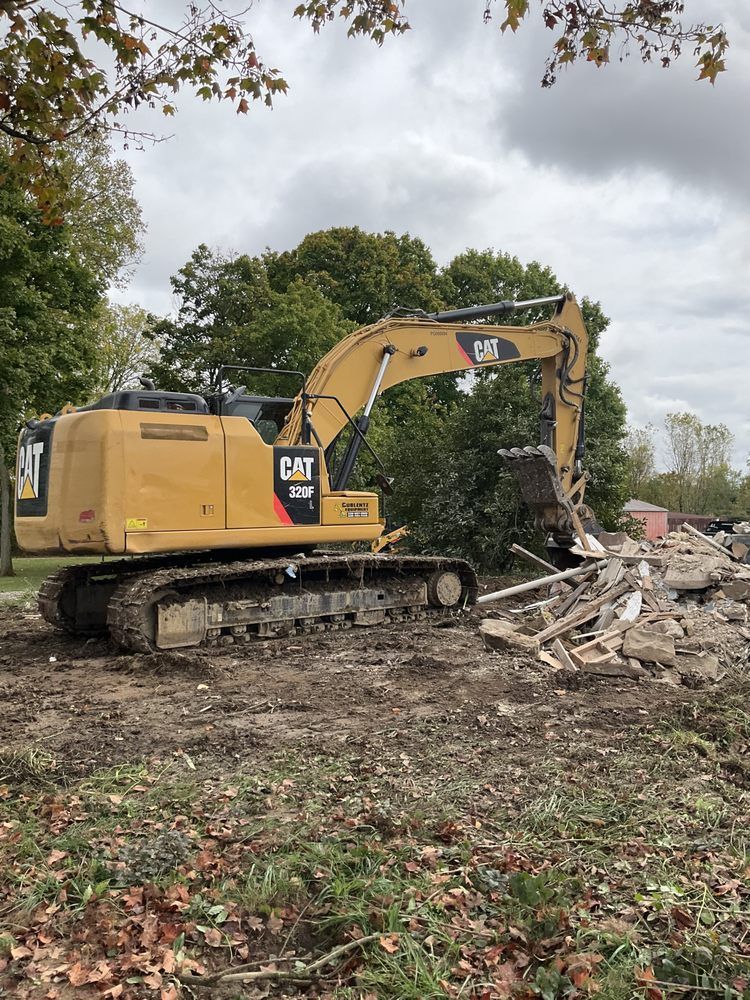
Brush piles grow after land clearing, concrete chunks accumulate during foundation work, and scrap lumber stacks up as framing progresses. Ridge Way Excavating hauls away construction debris, vegetation, and unwanted materials from residential and rural properties in Mount Vernon, coordinating removal schedules that keep work areas accessible without interrupting ongoing projects. Trucks are loaded on-site to avoid debris transfer points that slow down cleanup or create secondary messes.
Material is sorted during loading when disposal routes differ—brush and stumps go to composting facilities, concrete is crushed for aggregate recycling, and mixed construction waste heads to landfills permitted for that material type. Removal happens in stages for long projects or in single hauls for post-construction cleanup, depending on volume and site access.
Request an estimate to establish a debris removal schedule that aligns with your construction timeline and site layout.
Why Organized Cleanup Matters During Projects
Debris that spreads across a site creates trip hazards, blocks equipment movement, and hides defects that inspectors flag later. Regular removal confines work areas to defined zones, keeping pathways open for material delivery and reducing the chance that wind scatters lighter debris onto neighboring properties. On rural sites, accumulated brush can attract rodents or create fire hazards during dry months, making timely hauling a practical necessity beyond aesthetics.
After debris is cleared, you regain access to areas previously used for temporary storage, and the property boundary becomes easier to manage for drainage or landscaping work. Equipment operators no longer navigate around debris piles, reducing the risk of accidental damage to finished work or underground utilities. The site looks organized, which matters during inspections or when coordinating subcontractors who need clear staging areas.
Scheduling flexibility allows for same-day hauling when a project phase finishes or weekly pickups during extended builds. Disposal is handled through licensed facilities, and load tickets are provided when documentation is required for permits or environmental compliance.
Questions About Clearing Construction Sites
Mount Vernon property owners frequently ask about material types, disposal methods, and scheduling before arranging debris removal.
What types of debris can be hauled away?
Ridge Way Excavating removes brush, stumps, wood scraps, concrete, asphalt, metal, shingles, and general construction waste. Hazardous materials like asbestos, chemical containers, or electronics require specialized disposal and are not included.
How quickly can debris removal be scheduled?
Depending on current project load and material volume, removal can often be arranged within a few days. Larger cleanups or multi-load hauls are coordinated to match your project milestones.
What happens to materials after they leave the site?
Recyclable materials like concrete and metal are delivered to processing facilities, brush is composted or chipped, and non-recyclable waste goes to permitted landfills. Disposal routes depend on material type and facility availability in Knox County.
How is debris removal priced?
Pricing reflects material volume, weight, haul distance, and disposal fees. On-site evaluation provides accurate estimates based on what needs removal and where it will be processed.
Can removal happen during active construction?
Yes, debris is hauled during construction to maintain work area safety and accessibility. Scheduling is coordinated with other trades to avoid conflicts and keep progress moving without delays from clutter.
Ridge Way Excavating offers debris removal estimates that account for site conditions, material types, and disposal logistics. Call (330) 275-0574 to arrange cleanup services that keep your project on track and your property accessible throughout the build.